About faculty
About the Faculty of Education and Psychology
The Faculty of Education and Psychology at the University of Tabriz is one of the University’s oldest and most distinguished academic units and one of Iran’s pioneering centers for education and research in the fields of educational sciences, psychology, knowledge and information science, and cognitive neuroscience.
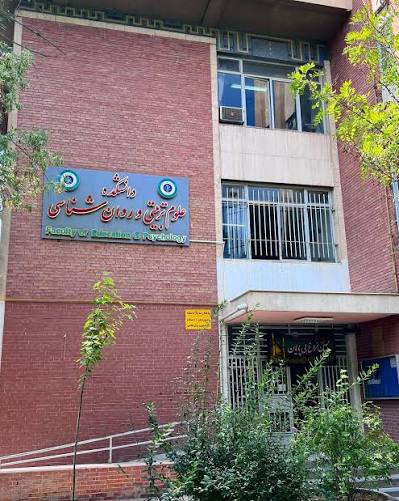
The Faculty traces its origins to 1329 SH (1950), when it was established as the Higher Teacher Training College, with the primary mission of preparing qualified secondary-school teachers. During its early years, the institution mainly admitted teacher-training students in Persian language and literature in response to the educational needs of the country.
As higher education expanded and societal demand for specialized academic programs increased, the scope of the institution’s activities gradually broadened. In the late 1340s SH, corresponding to the late 1960s, programs in Home Economics and Library Science were added to its academic offerings. In 1349 SH (1970), the Higher Teacher Training College was renamed the Faculty of Education.
The establishment of the Educational Sciences program in 1352 SH (1973) and the transfer of the Psychology program from the Faculty of Literature and Humanities to this Faculty in 1354 SH (1975) contributed to the development of a broader and more specialized academic structure. Beginning in 1362 SH (1983), psychology education was further developed, with increased emphasis on clinical psychology in accordance with the country’s scientific and professional needs.
As part of the Faculty’s continued development, Physical Education and Sport Sciences were also added to its academic programs during the 1360s SH. This field was subsequently reorganized as an independent academic unit. Since 1370 SH (1991), the Faculty has continued its academic activities under its current title, the Faculty of Education and Psychology.
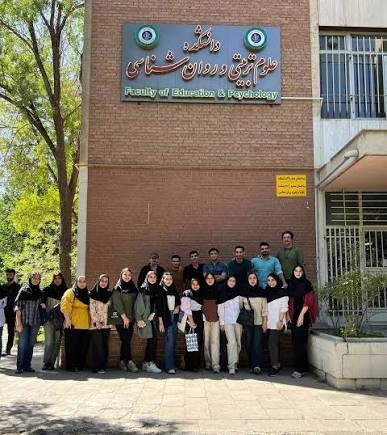 |
Over the past several decades, the Faculty has played a significant role in educating and training teachers, psychologists, educational specialists, knowledge and information professionals, and cognitive neuroscience researchers. A considerable number of its graduates are currently employed in universities, schools, research institutions, psychological and counselling centers, libraries and information centers, scientific and cultural organizations, and public and private institutions throughout Iran and beyond.
 |
.jpg) |
academic Structure
The Faculty of Education and Psychology currently comprises four academic departments:
Department of Psychology
The Department of Psychology at the University of Tabriz is one of the oldest and most widely recognized psychology departments in Iran. Its long-standing academic tradition, distinguished faculty members, and well-established psychology laboratory have provided a strong foundation for educating highly qualified graduates in various areas of psychology.
The Department currently offers the following degree programs:
- Bachelor’s degree in Psychology;
- Master’s degree in General Psychology;
- Master’s degree in Clinical Psychology;
- Master’s degree in Clinical Child and Adolescent Psychology;
- PhD in General Psychology;
- PhD in Clinical Psychology.
The Department’s educational and research activities cover a broad range of areas, including general psychology, clinical psychology, health psychology, child and adolescent psychology, counselling psychology, psychopathology, psychological assessment and diagnosis, psychological interventions, mental health, and cognitive and behavioral studies.
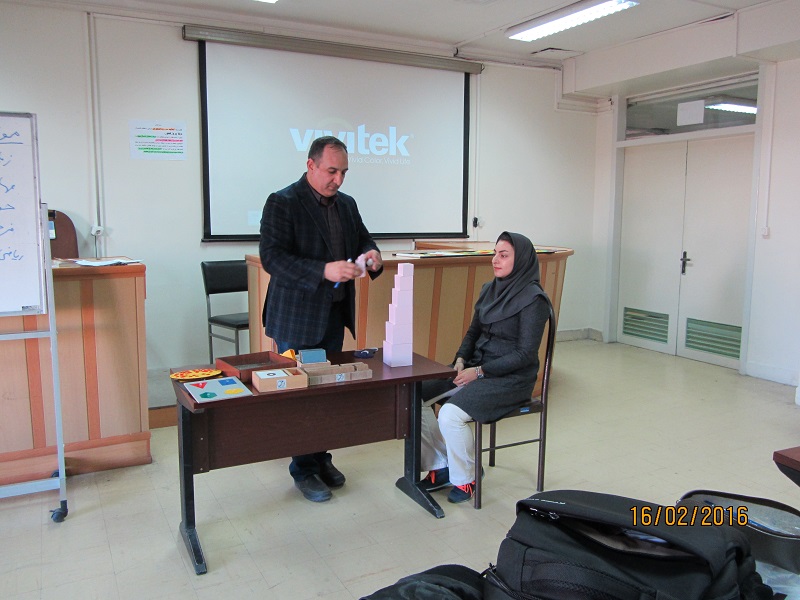
Department of Educational Sciences
The Department of Educational Sciences began its activities in 1352 SH (1973) and has played an important role in educating teachers, educational specialists, curriculum planners, educational technology experts, educational psychologists, and human resource development professionals.
The Department currently offers the following degree programs:
- Bachelor’s degree in Educational Sciences;
- Master’s degree in Curriculum Planning;
- Master’s degree in Educational Psychology;
- Master’s degree in Human Resource Education and Development;
- Master’s degree in Educational Technology;
- PhD in Curriculum Planning;
- PhD in Educational Psychology.
The Department’s educational and research activities focus on the study and improvement of teaching and learning processes, curriculum design and evaluation, psychology of learning, educational technologies, electronic and digital learning, professional competency development, human resource education and empowerment, and educational policy and management.

Department of Knowledge and Information Science
The Department of Knowledge and Information Science at the University of Tabriz is one of the oldest university departments in this field in Iran. Its formal academic activities date back to the late 1340s SH, corresponding to the late 1960s.
Originally established as a Department of Library Science, it has progressively expanded its educational and research activities in response to scientific, technological, professional, and societal developments. Its current areas of specialization include information and knowledge management, information behavior, knowledge organization, information retrieval, scientometrics, research evaluation, information technologies, artificial intelligence, scholarly communication, and publishing studies.
The Department currently offers the following degree programs:
- Bachelor’s degree in Knowledge and Information Science;
- Master’s degree in Knowledge and Information Science, with a specialization in Information Management;
- Master’s degree in Scientometrics;
- PhD in Knowledge and Information Science, with a specialization in Information and Knowledge Management.
The Bachelor’s program is designed to educate knowledgeable and skilled professionals capable of working in libraries, information centers, archives, research organizations, knowledge management units, publishing institutions, scientometrics centers, and centers for historical documents and manuscripts. The program also seeks to develop students’ professional, technological, and entrepreneurial capabilities.
The Master’s program in Information Management prepares specialists to manage the production, circulation, organization, retrieval, dissemination, and use of information in libraries, information centers, public institutions, private organizations, and other knowledge-intensive environments. Graduates are expected to contribute to information needs assessment, information systems design, organizational decision support, information policy, and the effective management of information resources and services.
The Master’s program in Scientometrics aims to educate specialists capable of measuring, analyzing, and evaluating scientific and technological activities at institutional, regional, national, and international levels. The program covers scientific indicators, bibliometric and citation analysis, science mapping, research performance assessment, innovation studies, patent analysis, and evidence-based science and research policy.
The PhD program in Knowledge and Information Science, with a specialization in Information and Knowledge Management, is designed to educate researchers and academics capable of conducting advanced theoretical and applied research in information and knowledge management. The program also aims to prepare specialists who can assist organizations in identifying, organizing, preserving, sharing, and effectively using their information and knowledge assets.
Graduates of the Department are prepared to work in libraries and information centers, archives and records management centers, scientometrics and research evaluation units, information and knowledge management departments, research institutions, publishing organizations, science policy centers, universities, and public and private organizations.


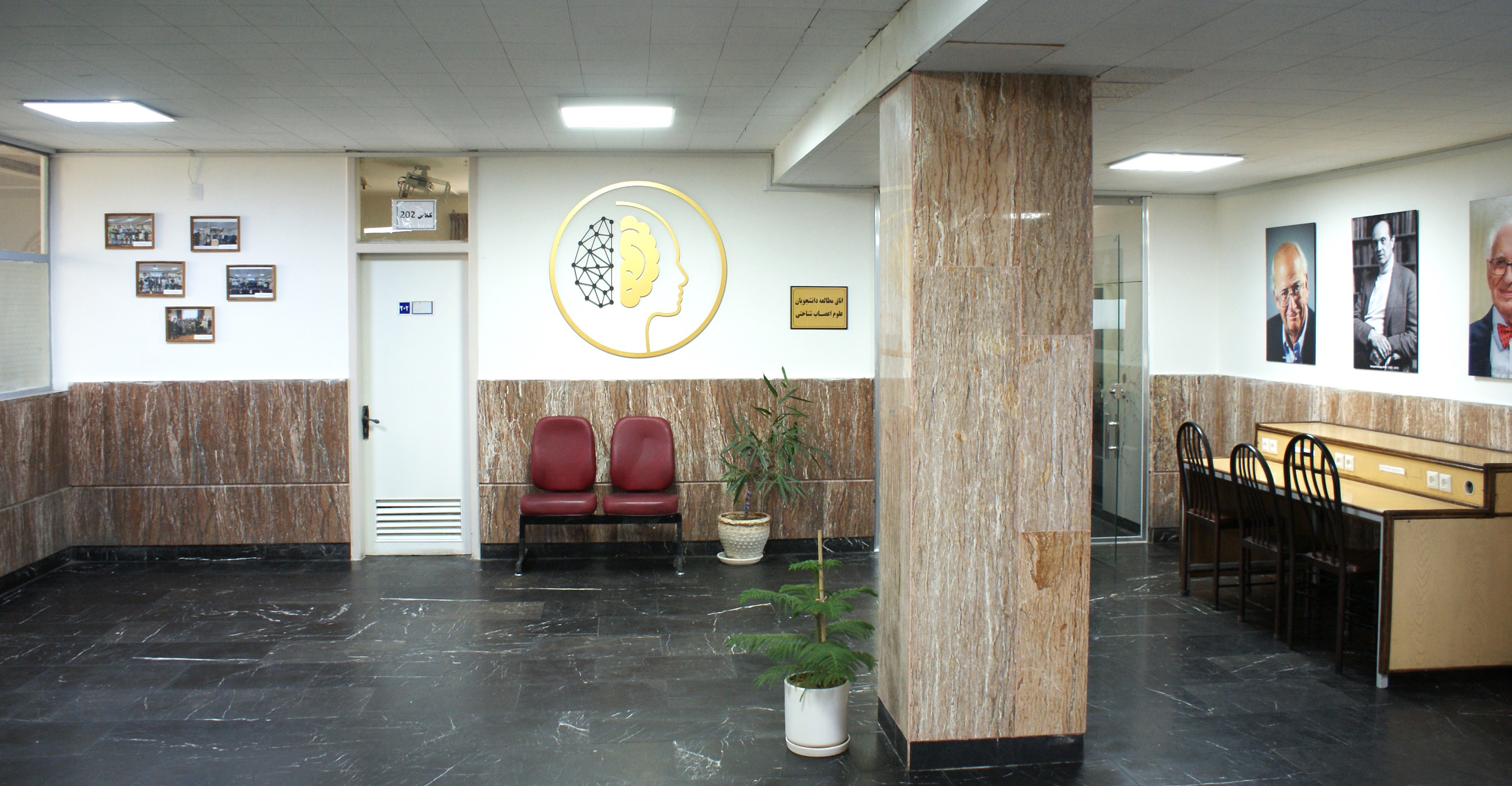
Department of Cognitive Neuroscience
The Department of Cognitive Neuroscience represents the Faculty’s contemporary and interdisciplinary approach to the study of the mind, brain, and behavior. Drawing upon psychology, neuroscience, medicine, biology, engineering, computer science, artificial intelligence, data science, statistics, mathematics, and rehabilitation sciences, the Department investigates the neural mechanisms underlying perception, attention, memory, learning, language, decision-making, emotion, and executive functions.
The Department currently offers the following degree programs:
- Master’s degree in Cognitive Psychology;
- Master’s degree in Cognitive Rehabilitation;
- PhD in Cognitive Neuroscience.
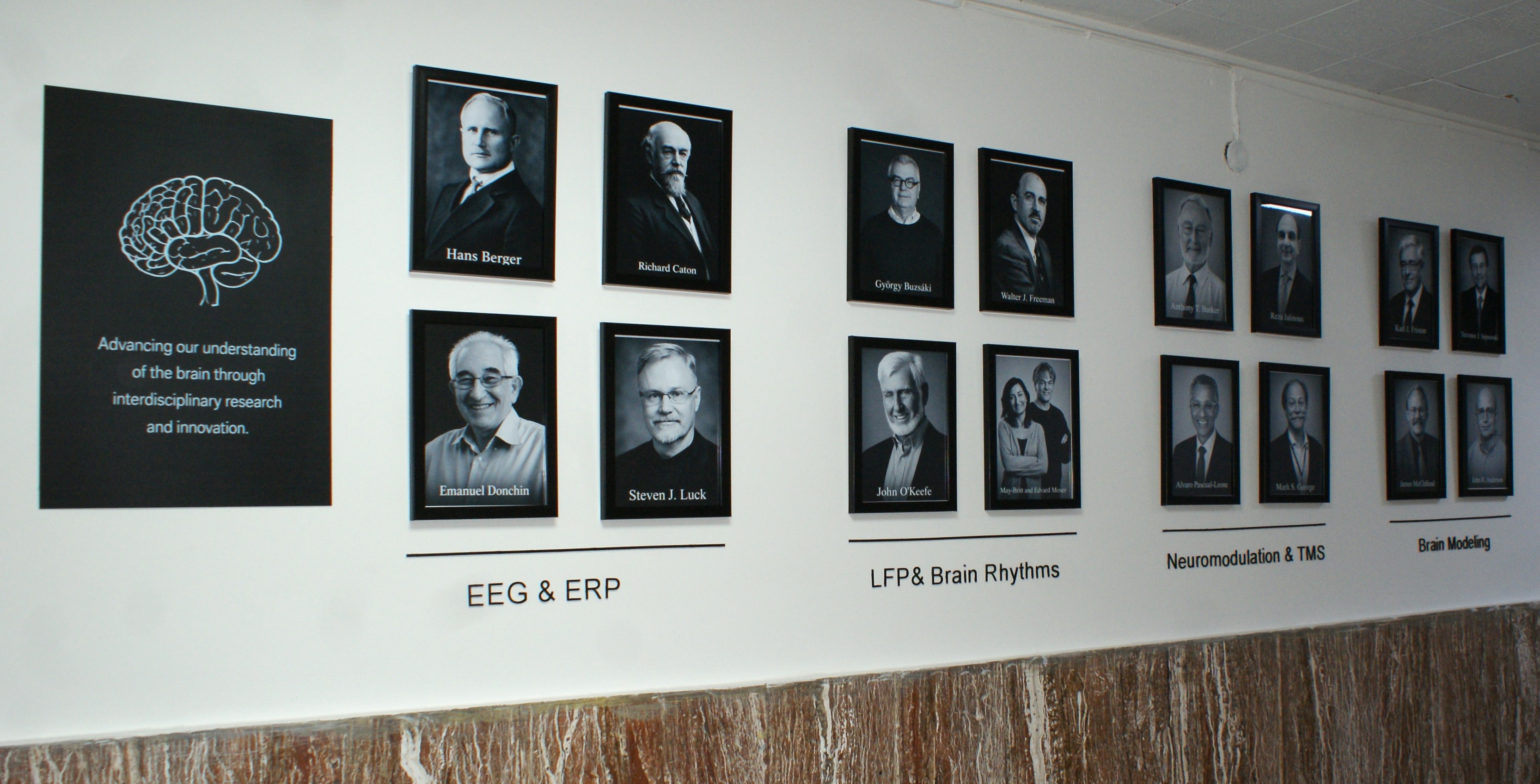
The Department’s principal areas of education and research include neural cognition and brain dynamics, attention and memory, learning and decision-making, reward processing, cognitive electrophysiology, EEG and ERP studies, neural oscillations, computational neuroscience, neural signal analysis, brain–computer interfaces, network neuroscience, artificial intelligence and machine learning applications in neuroscience, non-invasive brain stimulation, cognitive rehabilitation, and the study of the mechanisms underlying neurological, cognitive, and psychological disorders.
 |
  |
The Faculty of Education and Psychology provides a supportive and dynamic environment for education, research, innovation, and interdisciplinary collaboration through its highly qualified academic staff, teaching and research laboratories, specialized library, computer and information facilities, student scientific associations, and scholarly journals.
The Faculty’s laboratories and specialized research infrastructure support activities in areas such as psychology, educational technology, information services, knowledge organization, neural cognition and brain dynamics, virtual cognition, computational cognition, neural signal recording and analysis, non-invasive brain stimulation, and cognitive rehabilitation.
The Department of Psychology benefits from one of the University’s long-established psychology laboratories. The Department of Knowledge and Information Science has specialized facilities for reference and information services, knowledge organization, and computer-based education and research. The Department of Cognitive Neuroscience is supported by laboratories for neural cognition and brain dynamics, virtual cognition, and computational cognition.
The Faculty’s research facilities support the recording and analysis of EEG and ERP signals, local field potential studies, transcranial magnetic and electrical brain stimulation, advanced neural signal analysis, computational modeling of neural networks, cognitive assessment, and cognitive rehabilitation. These facilities enable faculty members, students, and researchers to conduct basic, applied, and translational research and provide opportunities for practical and laboratory-based education.
The Faculty also contributes to the production, publication, and dissemination of specialized knowledge through its scholarly journals, including:
- Journal of Modern Psychological Research;
- Curriculum and Instruction Perspectives;
- Journal of Knowledge-Research Studies.
Scientific meetings, specialized workshops, lectures, conferences, and the activities of student scientific associations constitute additional dimensions of the Faculty’s academic environment and strengthen interaction among faculty members, students, graduates, researchers, professional communities, and society.
 |
The Faculty’s Interdisciplinary Identity
The integration of educational sciences, psychology, knowledge and information science, and cognitive neuroscience within a single academic faculty gives the Faculty of Education and Psychology a distinctive interdisciplinary identity.
Subjects such as learning, the mind and brain, human behavior, mental health, education, information, knowledge, technology, and human capital development are not approached as isolated domains. Rather, they are studied as interrelated components of an integrated academic and intellectual framework.
This interdisciplinary capacity facilitates collaborative research in areas such as learning sciences, intelligent educational technologies, cognitive and information behavior, human–information interaction, artificial intelligence in education and psychology, digital health, cognitive rehabilitation, information and knowledge management, scientometrics, science and research evaluation, responsible research assessment, and educational and scientific policy.
The coexistence of these four academic disciplines also creates substantial opportunities for developing innovative research on the relationships among cognition, learning, information, knowledge, technology, and human development.
Mission
The mission of the Faculty of Education and Psychology at the University of Tabriz is to educate graduates who possess advanced disciplinary knowledge, research competence, professional skills, critical thinking abilities, ethical responsibility, and a strong commitment to society.
Through research-based education, the development of interdisciplinary studies, support for innovation, the expansion of national and international academic collaboration, and attention to the real needs and challenges of society, the Faculty seeks to contribute to the improvement of educational systems, the promotion of mental health, the development of human capital, the effective management of information and knowledge, and the advancement of cognitive science and technology.
The Faculty is also committed to advancing responsible and ethical research, supporting lifelong learning, strengthening the relationship between academic knowledge and professional practice, and enhancing the scientific and societal impact of its educational and research activities.
Vision
Building upon its historical legacy, academic capital, and interdisciplinary capacities, the Faculty of Education and Psychology at the University of Tabriz aspires to become one of the leading national and regional centers for education and research in educational sciences, psychology, knowledge and information science, and cognitive neuroscience.
The Faculty envisions an academic environment in which education is closely integrated with research, knowledge is connected to practice, technology responds to human needs, interdisciplinary collaboration leads to innovation, and academic activity is firmly grounded in ethical and social responsibility.
 |
 |
 |
 |